Start here
Browse by topic
Choose a category to learn what to watch for, what to do at home, and when to schedule a professional inspection.

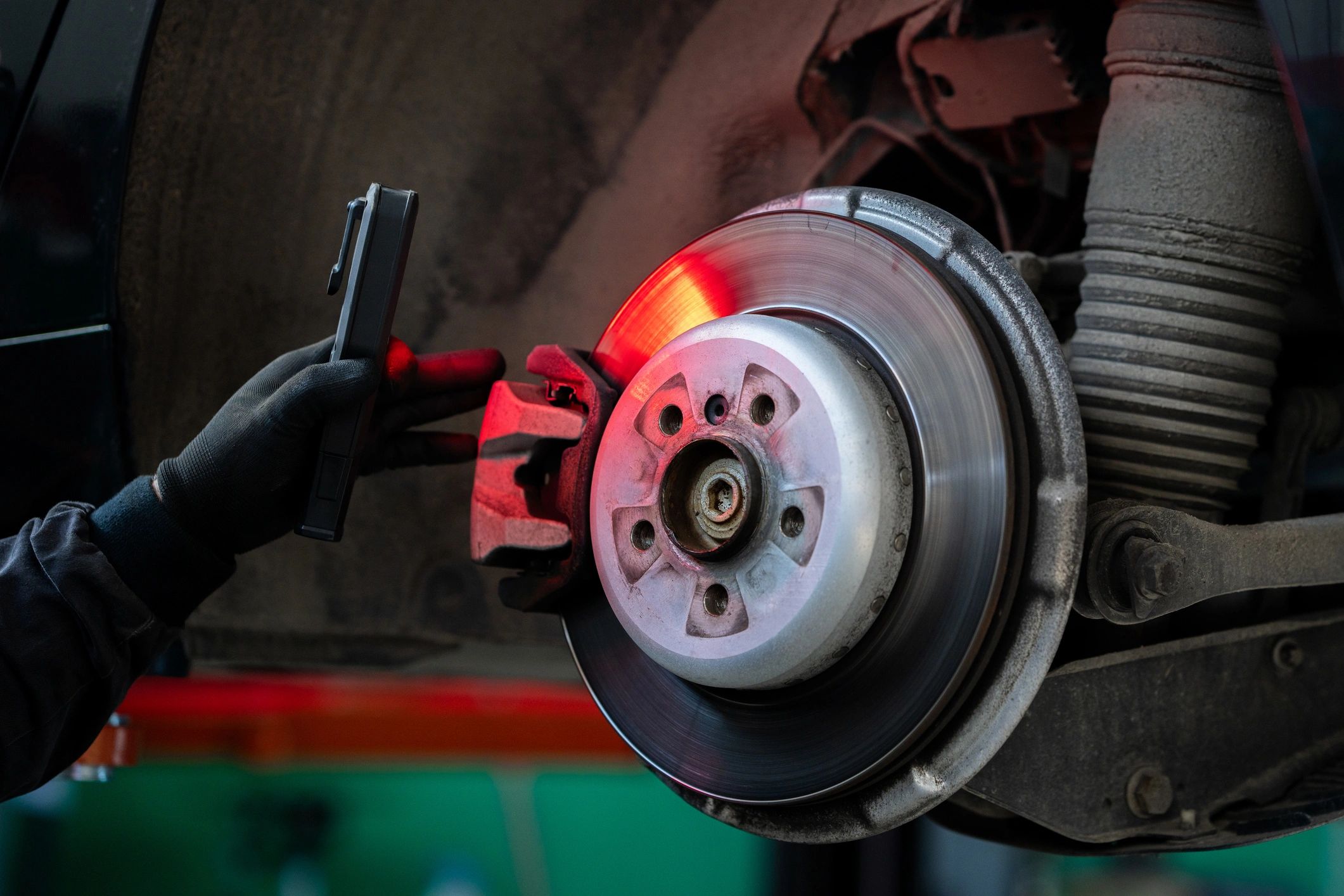

Quick wins
Simple checks that prevent breakdowns
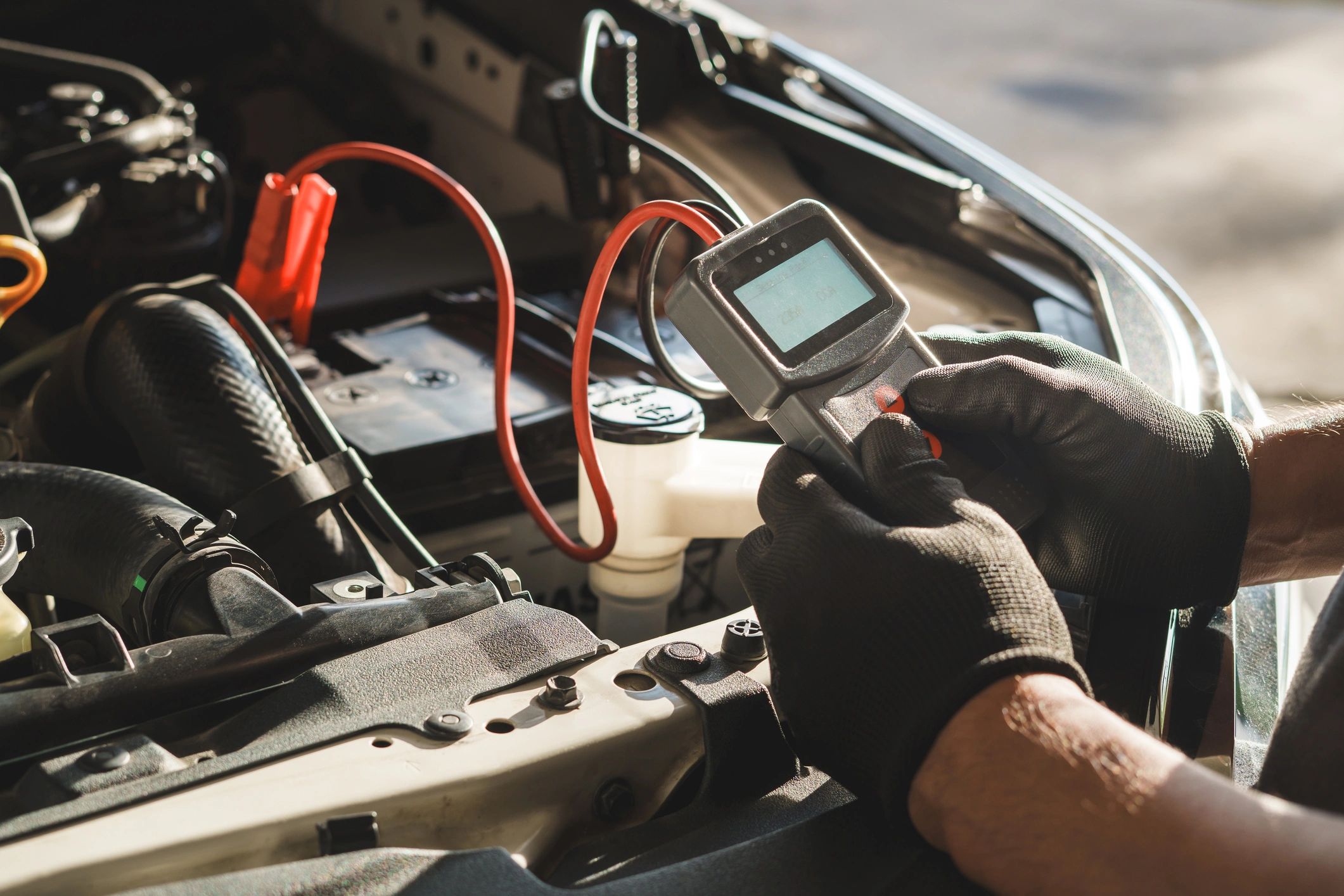
Resource FAQs
General guidance for common questions. For vehicle-specific advice, book an inspection.
How often should I change my oil?
Follow your owner’s manual, but many Japanese vehicles do well with 5,000–7,500 mile intervals depending on oil type and driving conditions.
What does a burning smell mean?
It can be oil on a hot surface, slipping belts, or overheated brakes. If the smell is strong or smoke appears, stop driving and call us.
Why does my car shake when braking?
Often warped rotors or uneven pad deposits. A brake inspection can confirm and prevent longer stopping distances.
Is it safe to drive with the check-engine light on?
A steady light may be okay short-term, but you should schedule diagnostics soon. If it’s flashing, reduce speed and stop driving when safe.
Do you use OEM parts?
Yes—when OEM is recommended, we source genuine parts and explain options clearly before any work begins.
Can I bring my own parts?
In many cases yes, but fitment and warranty coverage can vary. Contact us first so we can confirm compatibility.