Top Problems We See
These are some of the most frequent concerns we diagnose in Japanese vehicles. If you’re noticing any of these symptoms, we can pinpoint the cause with factory-level scan tools and testing.
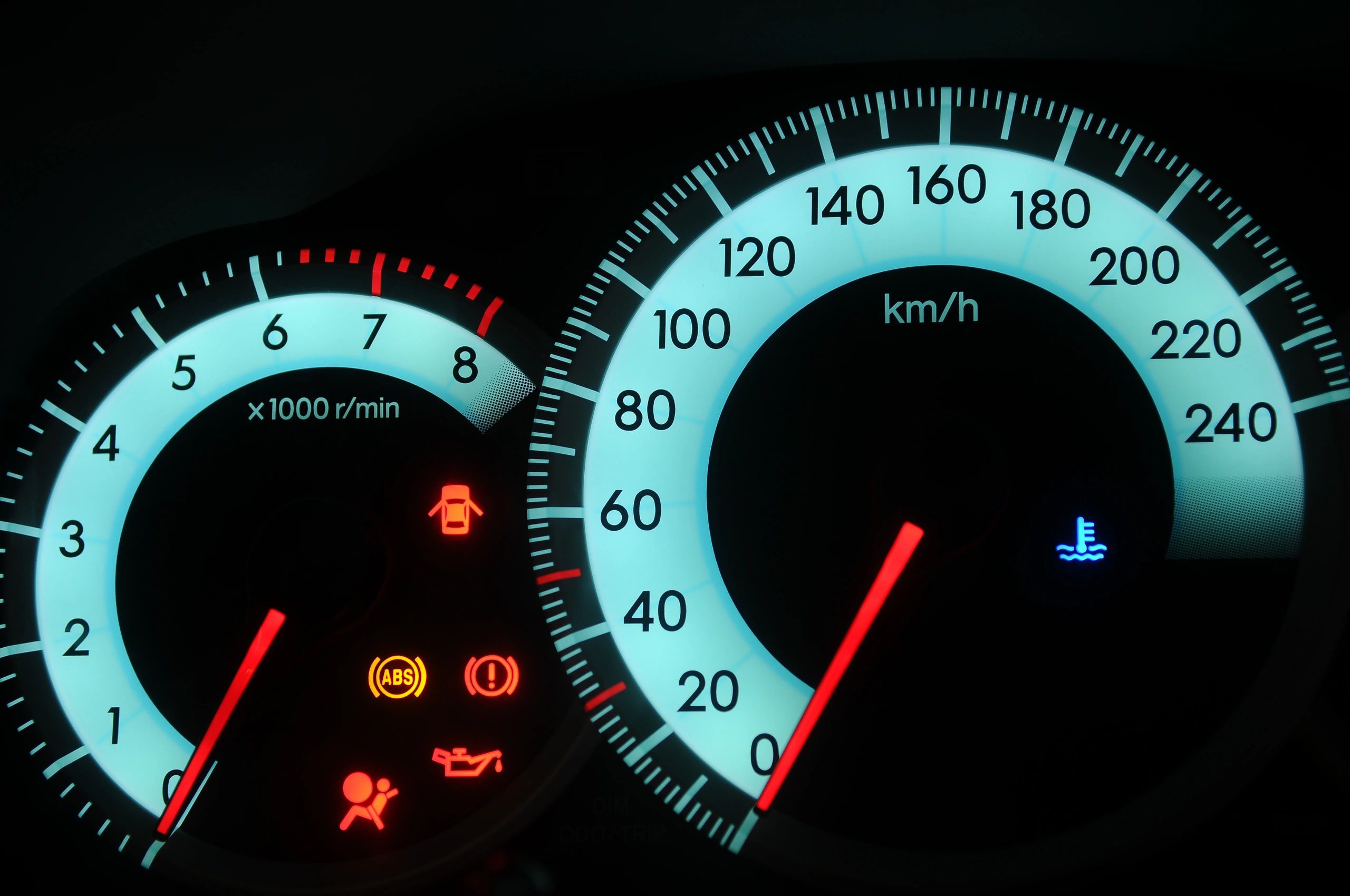
Check Engine Light
Often triggered by EVAP leaks, O2 sensors, MAF issues, or misfires. We scan codes and confirm with live data.
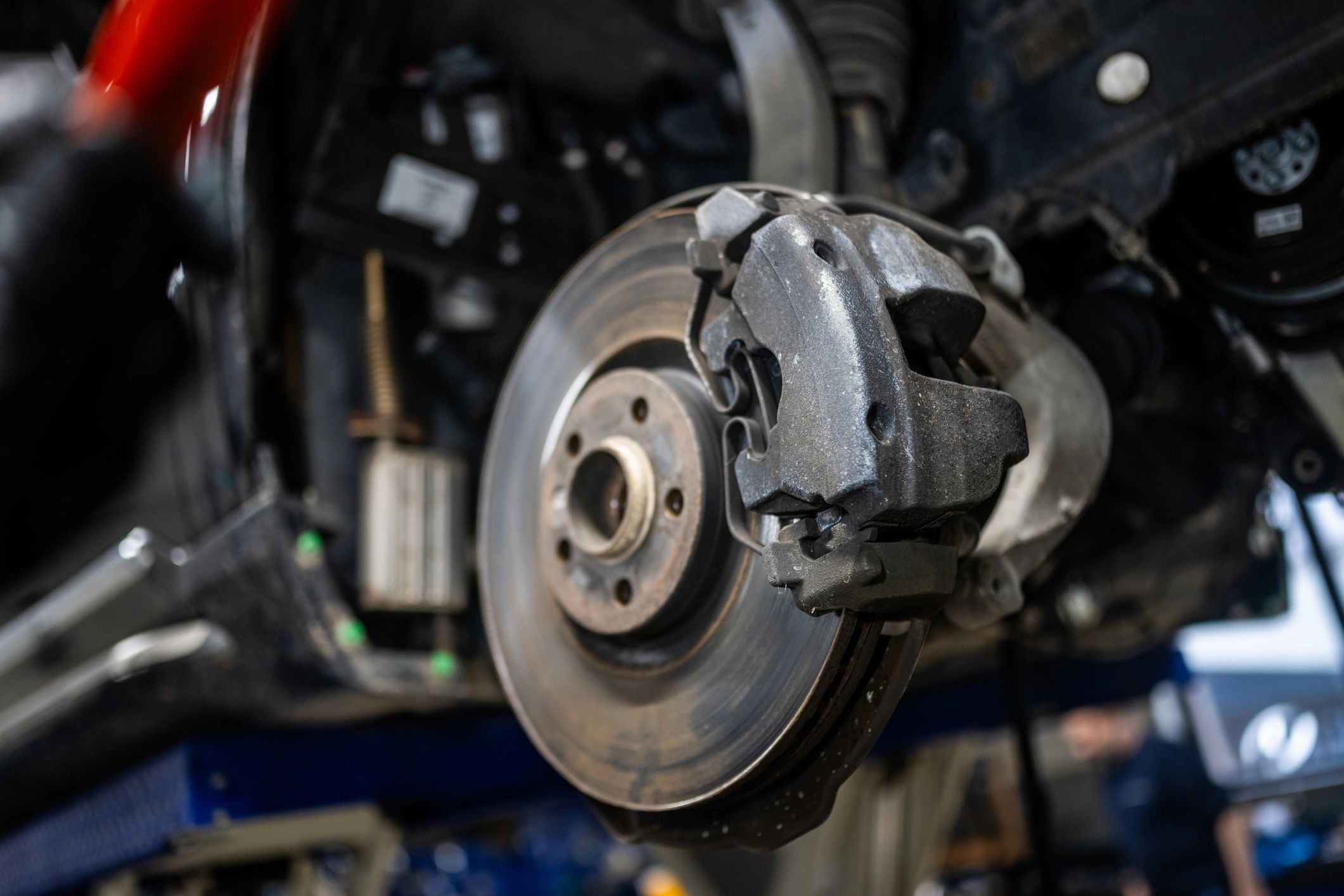
Brake Noise or Vibration
Squeal, grinding, or steering shake can indicate worn pads, warped rotors, or caliper issues—safety first.
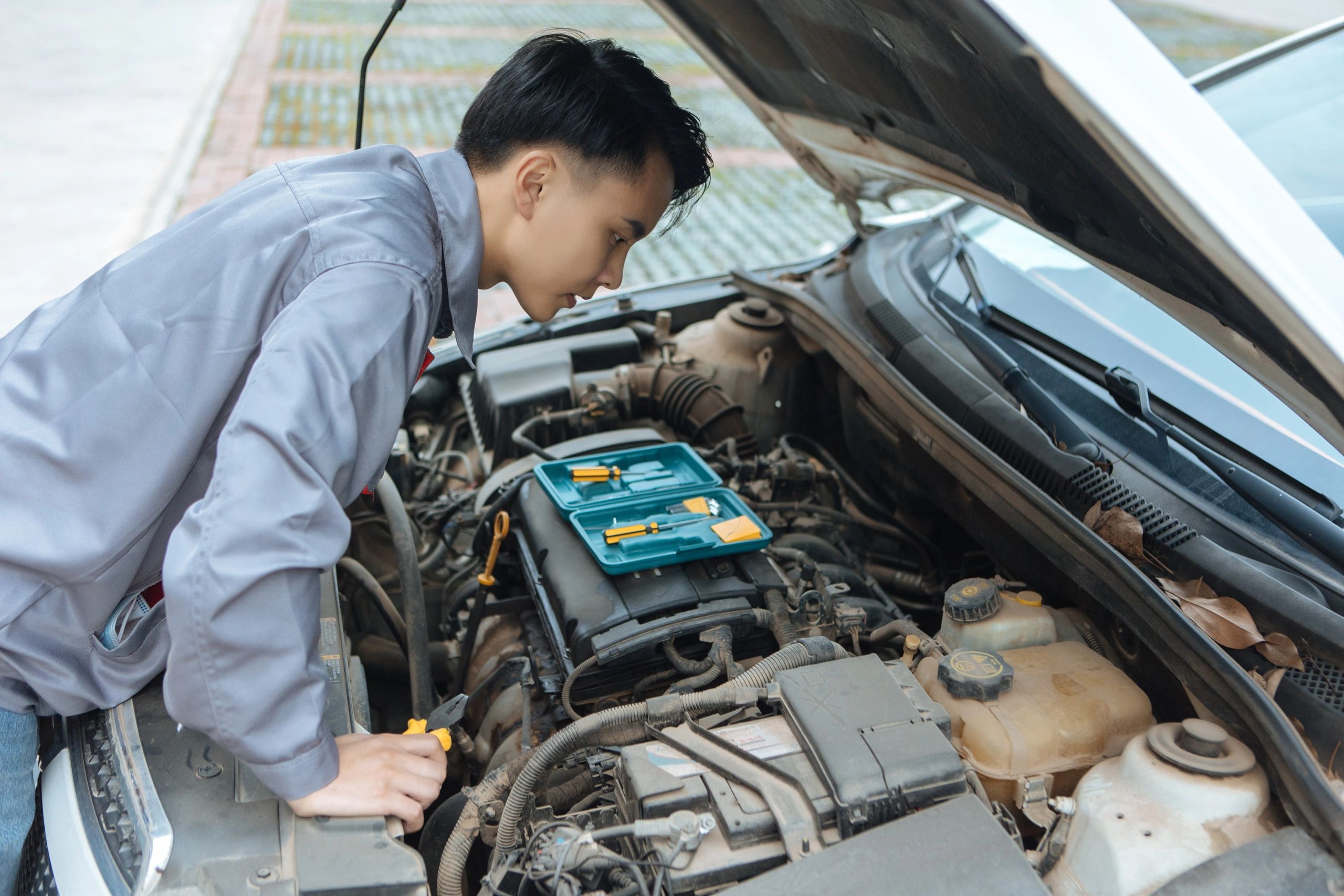
Rough Idle or Stalling
Common causes include vacuum leaks, dirty throttle bodies, ignition coils, and fuel delivery problems.

Overheating
Low coolant, radiator issues, thermostat failure, or water pump leaks can escalate quickly—stop driving if the temp spikes.

Transmission Shudder
May be fluid breakdown, torque converter concerns, or mount issues. We test, inspect fluid, and recommend the right service.
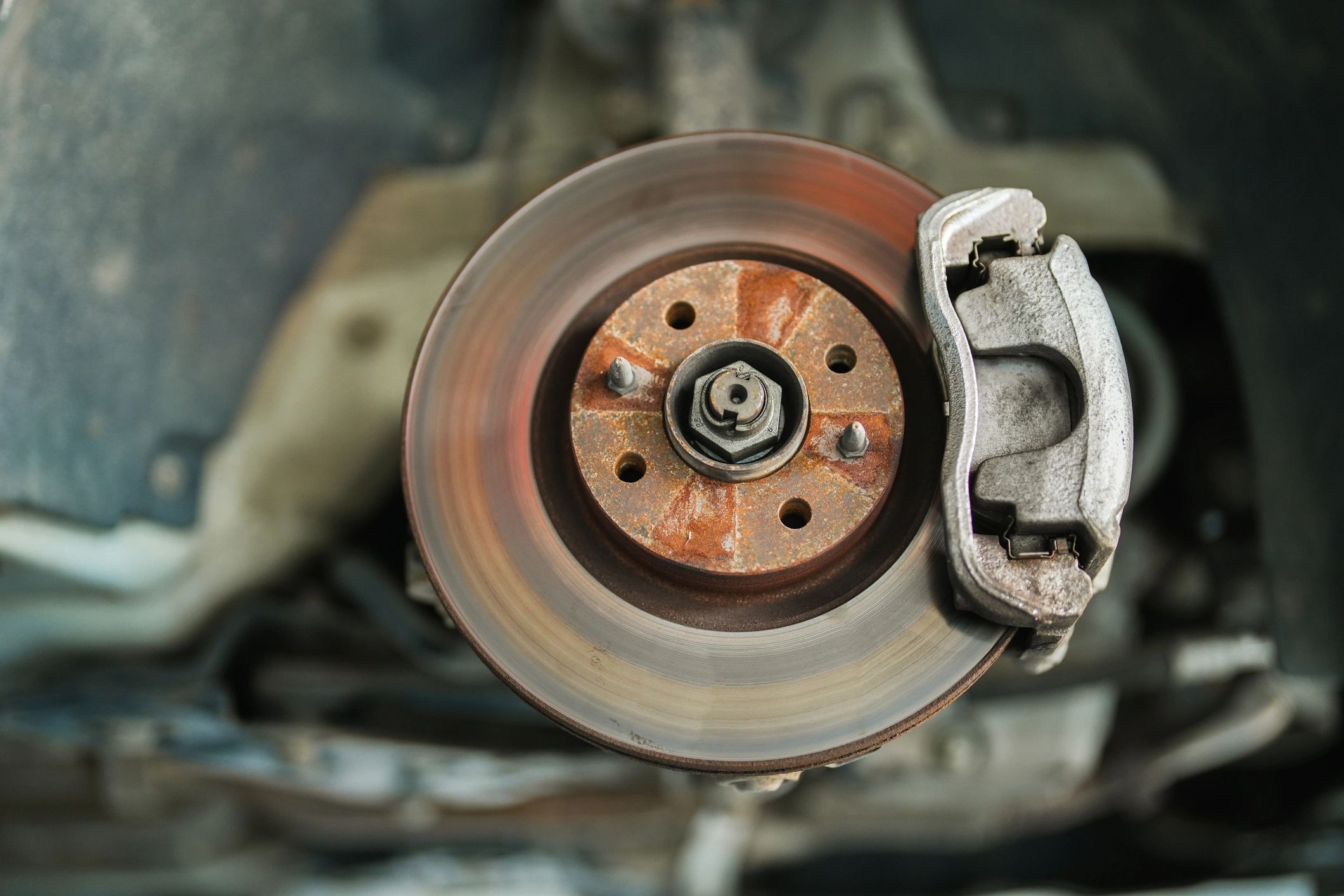
Suspension Clunks
Clunks over bumps often point to worn bushings, sway bar links, struts, or ball joints—especially as mileage climbs.
How to use this page
From Symptom to Next Step